
In 2025, the demand for a certified holistic health practitioner is skyrocketing as more people seek integrative, whole-person care. This growing trend is reshaping the healthcare landscape, offering professionals the chance to make a lasting impact on clients’ lives.
Are you interested in a rewarding career that blends science, compassion, and holistic wisdom? This guide is your comprehensive, step-by-step resource for becoming a successful certified holistic health practitioner in 2025.
Here, you’ll discover a clear overview of certification, education requirements, the full certification process, essential skills, career opportunities, and proven strategies for long-term success.
Understanding the Role of a Certified Holistic Health Practitioner
Defining Holistic Health and Its Importance
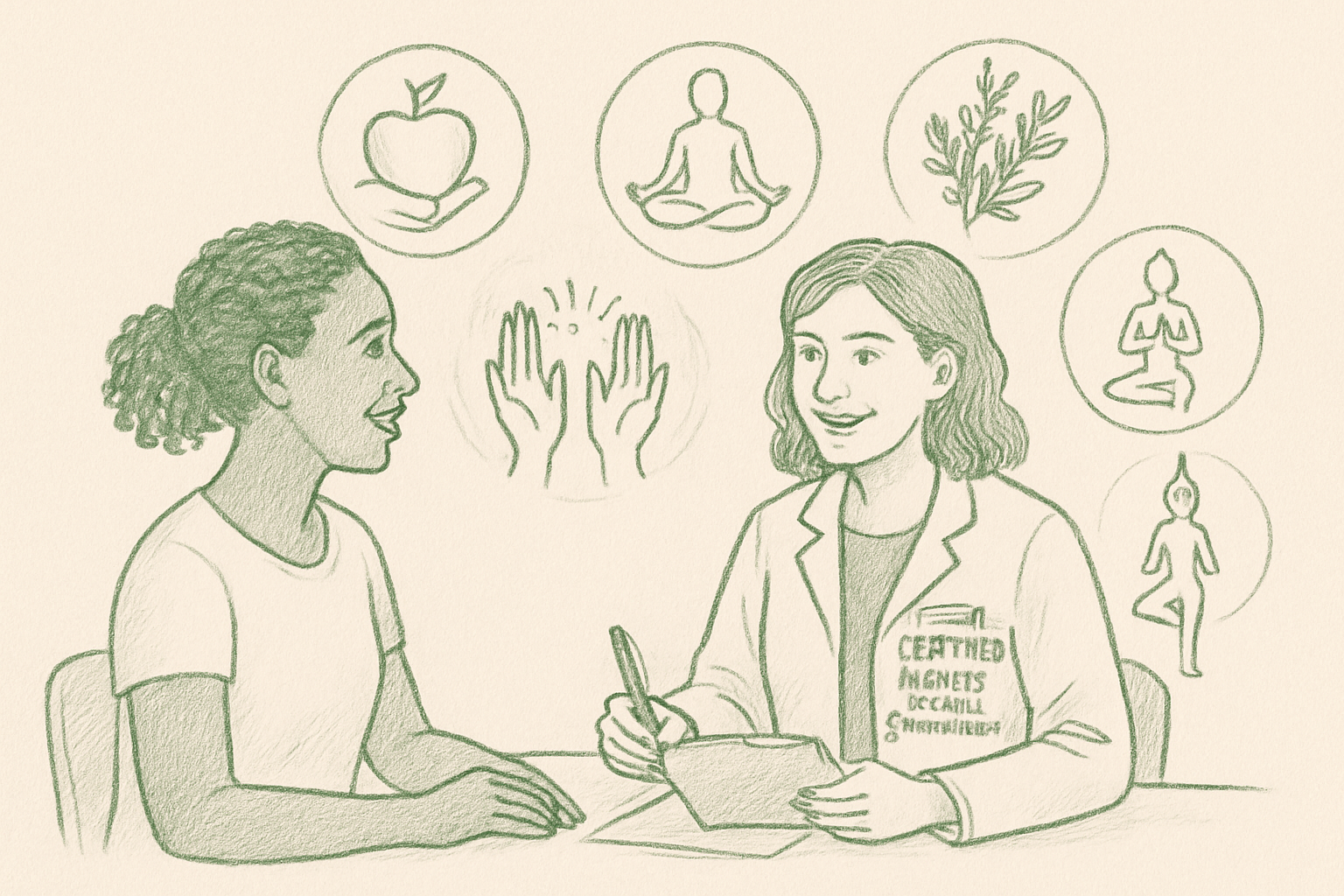
Holistic health is an integrative approach that considers the mind, body, and spirit as interconnected elements of well-being. In 2025, more people are embracing this model, seeking care that addresses the whole person rather than isolated symptoms.
According to recent data, over 40% of adults in the US now use some form of complementary or alternative medicine. This shift reflects a growing desire for root-cause solutions—such as nutrition, stress management, and lifestyle interventions—over quick fixes.
The World Health Organization recognizes the value of integrative health strategies for chronic disease prevention. A certified holistic health practitioner leverages these methods to empower clients, making a significant impact on public health outcomes.
Key Responsibilities and Scope of Practice
A certified holistic health practitioner performs comprehensive client assessments and develops personalized wellness plans. Education is central to their role, guiding clients in nutrition, herbal medicine, energy healing, mindfulness, and movement therapies.
Ethical practice is vital. Practitioners maintain strict confidentiality and uphold professional standards. Collaboration with other healthcare professionals is common, ensuring a coordinated approach to client care.
The Therapeutic Order guides intervention choices, moving from least to most invasive methods. Many practitioners share success stories, with clients reporting improved energy, stress reduction, and better quality of life.
Distinction from Other Health and Wellness Professionals
Unlike health coaches, nutritionists, or conventional practitioners, a certified holistic health practitioner offers a broader, integrative perspective. Their training blends scientific knowledge with holistic wisdom, setting them apart in approach and scope.
Certification and regulatory requirements often differ, with CHHPs meeting distinct standards. Public trust in certified practitioners continues to rise as they demonstrate expertise and ethical care.
For a deeper understanding of these distinctions, visit the Holistic Naturopathic Doctor Overview, which details the unique scope and approach of holistic health professionals.
Demand and Trends in 2025
The demand for certified holistic health practitioners is rapidly increasing. The COVID-19 pandemic has accelerated interest in holistic approaches, leading to growth in telehealth, digital wellness platforms, and community health programs.
Industry reports forecast continued expansion in this field. New roles are emerging in corporate wellness and public health, reflecting the versatility of the certified holistic health practitioner.
Job growth data and market trends highlight the strong outlook for practitioners, making this a promising career path for those seeking to make a meaningful impact.
Education and Prerequisites: Building a Strong Foundation

Academic Pathways and Required Qualifications
To start a career as a certified holistic health practitioner, a strong educational foundation is essential. Most practitioners begin with a bachelor’s degree in holistic health, nutrition, biology, or a related science. Accredited holistic health programs offer comprehensive coursework, blending anatomy, physiology, nutrition, and holistic modalities.
Foundational science courses are crucial for building the knowledge base needed to understand the body’s systems. Many students also complete general education requirements in psychology and counseling. Continuing education keeps professionals up to date and is often required for maintaining certification.
A majority of certified holistic health practitioners hold at least an undergraduate degree, ensuring they meet rigorous industry standards. This academic preparation sets the stage for lifelong learning and success in the field.
Essential Skills and Competencies
A certified holistic health practitioner needs a unique blend of skills to succeed. Communication is key—practitioners must listen actively and explain wellness plans clearly. Empathy fosters trust and helps clients feel understood, while critical thinking enables effective problem-solving.
Cultural competence allows practitioners to serve clients from diverse backgrounds respectfully. Hands-on experience is vital, often gained through supervised clinical training. This includes practicing herbal medicine, nutrition planning, and energy therapies in real-world settings.
Business and digital literacy are becoming more important as practices move online. Successful certified holistic health practitioners combine these competencies to deliver holistic care and manage their practices efficiently.
Choosing the Right Program or School
Selecting a reputable certification program is a pivotal step for any aspiring certified holistic health practitioner. Accreditation by recognized industry bodies, such as the American Association of Drugless Practitioners (AADP), ensures high educational standards.
An ideal curriculum covers core sciences, holistic modalities, client care, and ethics. Prospective students should look for programs with strong student satisfaction rates and high career placement statistics. Many schools now offer online or hybrid learning options, which add flexibility for working adults.
When comparing programs, consider faculty expertise, hands-on training opportunities, and support services. These factors make a significant difference in preparing for a holistic health career.
Financial Investment and Scholarships
Pursuing certification as a certified holistic health practitioner involves a financial commitment. Tuition typically ranges from $5,000 to $20,000, depending on the program’s depth and accreditation. Additional costs may include textbooks, exam fees, and continuing education.
The return on investment is promising, with earning potential increasing after certification. According to the Holistic Health Practitioner Job Outlook 2025, job growth and salaries are on the rise, making this a worthwhile career path.
Scholarships, grants, and flexible payment plans are available through many institutions. Researching affordable programs and financial aid options helps reduce the burden, ensuring that a career in holistic health remains accessible.
Step-by-Step Certification Process for 2025
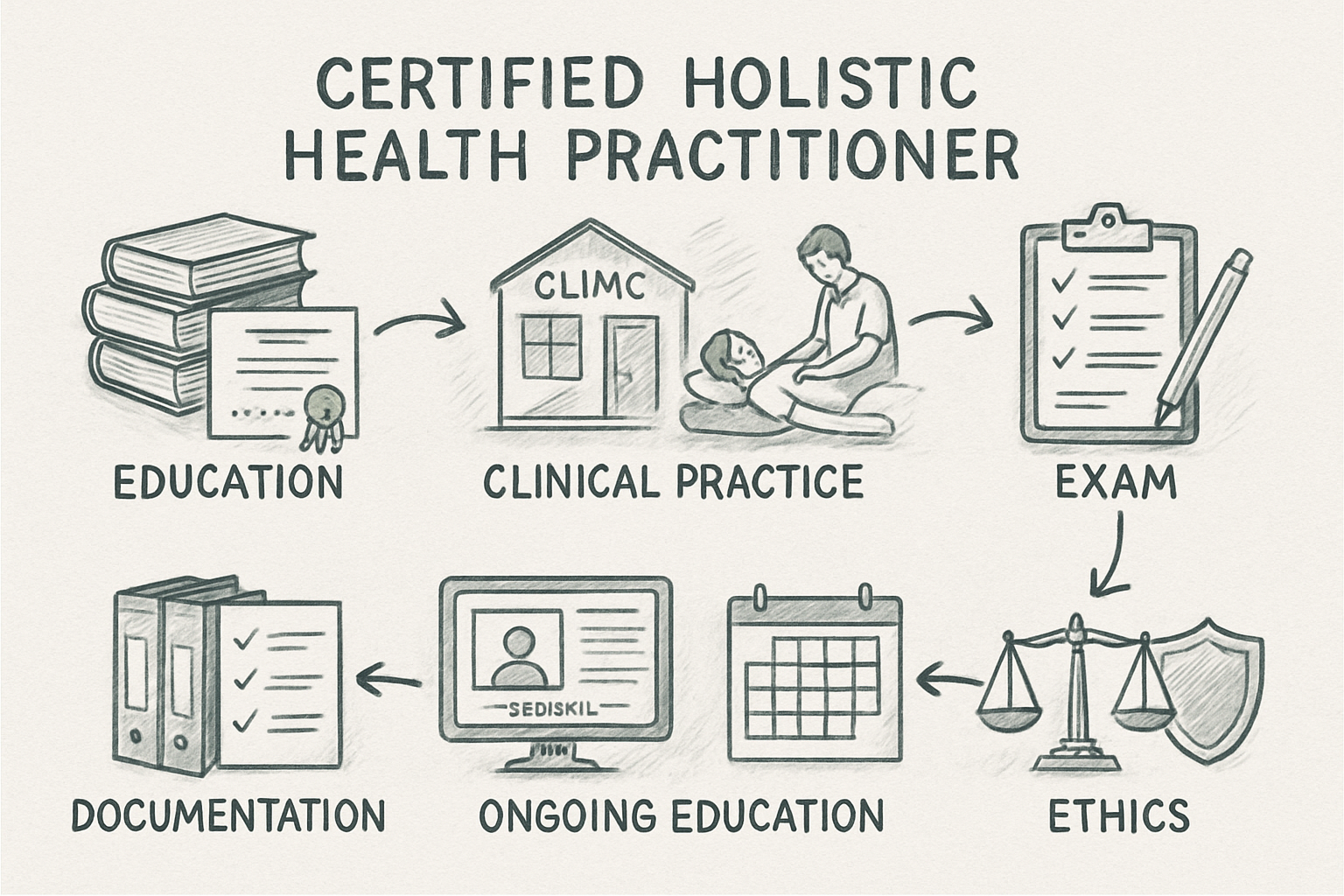
Becoming a certified holistic health practitioner in 2025 requires a methodical approach. Each step in the process is designed to ensure you are well-prepared, competent, and ready to deliver integrative care. Let’s break down the essential steps—so you can confidently chart your path to certification.
Step 1: Complete Educational Prerequisites
The foundation for every certified holistic health practitioner begins with education. Most programs require at least a bachelor’s degree in holistic health, nutrition, biology, or a related field. Accredited programs ensure courses in anatomy, physiology, and holistic modalities are included.
Core requirements often feature in a standard curriculum:
- Science courses (biology, anatomy, physiology)
- Holistic health fundamentals
- Ethics and client care
Many institutions also require a clinical practicum. For example, a program might include 120 classroom credits plus supervised practice. This initial step prepares future practitioners for the demands of holistic health.
Step 2: Gain Practical Experience and Clinical Hours
Hands-on experience is crucial for becoming a certified holistic health practitioner. Most certification bodies require candidates to complete 100–200 supervised clinical hours. This experience can be gained through internships in wellness clinics, integrative health practices, or community health centers.
Mentorship is invaluable during this phase. You will observe experienced practitioners, conduct client assessments, and develop wellness plans under supervision. These real-world settings foster skill development and confidence, bridging the gap between theory and practice.
Step 3: Prepare for and Pass the Certification Exam
The next milestone for an aspiring certified holistic health practitioner is passing the certification exam. Recognized certifying bodies—such as AADP and NANP—offer exams that include multiple-choice questions, case studies, and practical assessments.
Preparation tips include:
- Reviewing official study guides and practice exams
- Participating in study groups
- Focusing on case-based scenarios
Exam pass rates are high for well-prepared candidates, often exceeding 80%. Success at this stage demonstrates your readiness to practice holistic health at a professional level.
Step 4: Submit Application and Documentation
After passing the exam, the certified holistic health practitioner must submit a formal application. This typically involves gathering transcripts, proof of clinical experience, and exam results. Documentation requirements can vary by certifying organization.
A sample application checklist includes:
- Official transcripts
- Clinical practicum verification
- Exam score report
- Application fee payment
Timelines for approval range from a few weeks to several months. Common pitfalls include missing documents or incomplete forms, so double-check each submission for accuracy.
Step 5: Maintain Certification and Continuing Education
To remain a certified holistic health practitioner, ongoing education is mandatory. Most certifying bodies require 20 continuing education units (CEUs) per year. Staying current with new research, techniques, and modalities is essential.
Continuing education options include workshops, conferences, and online webinars. For example, the Educational Webinars for Practitioners page offers a range of relevant topics to help practitioners maintain certification and expand their expertise. Regular recertification ensures your knowledge and skills remain sharp.
Step 6: Legal and Ethical Considerations
A certified holistic health practitioner must adhere to legal and ethical standards. Regulations vary by state and country, so it’s vital to understand your scope of practice, informed consent requirements, and client privacy laws.
Professional liability insurance is recommended to protect against potential claims. Ethical dilemmas—such as respecting client autonomy or handling confidential information—should be addressed according to industry guidelines. Staying compliant builds trust and ensures a sustainable, reputable practice.
Essential Skills for Long-Term Success
Success as a certified holistic health practitioner depends on more than academic knowledge. Thriving in this dynamic field requires a blend of technical expertise, interpersonal abilities, and a commitment to ongoing growth. By mastering essential skills, you can build trust, deliver results, and adapt to the evolving wellness landscape.
Building Client Relationships and Communication
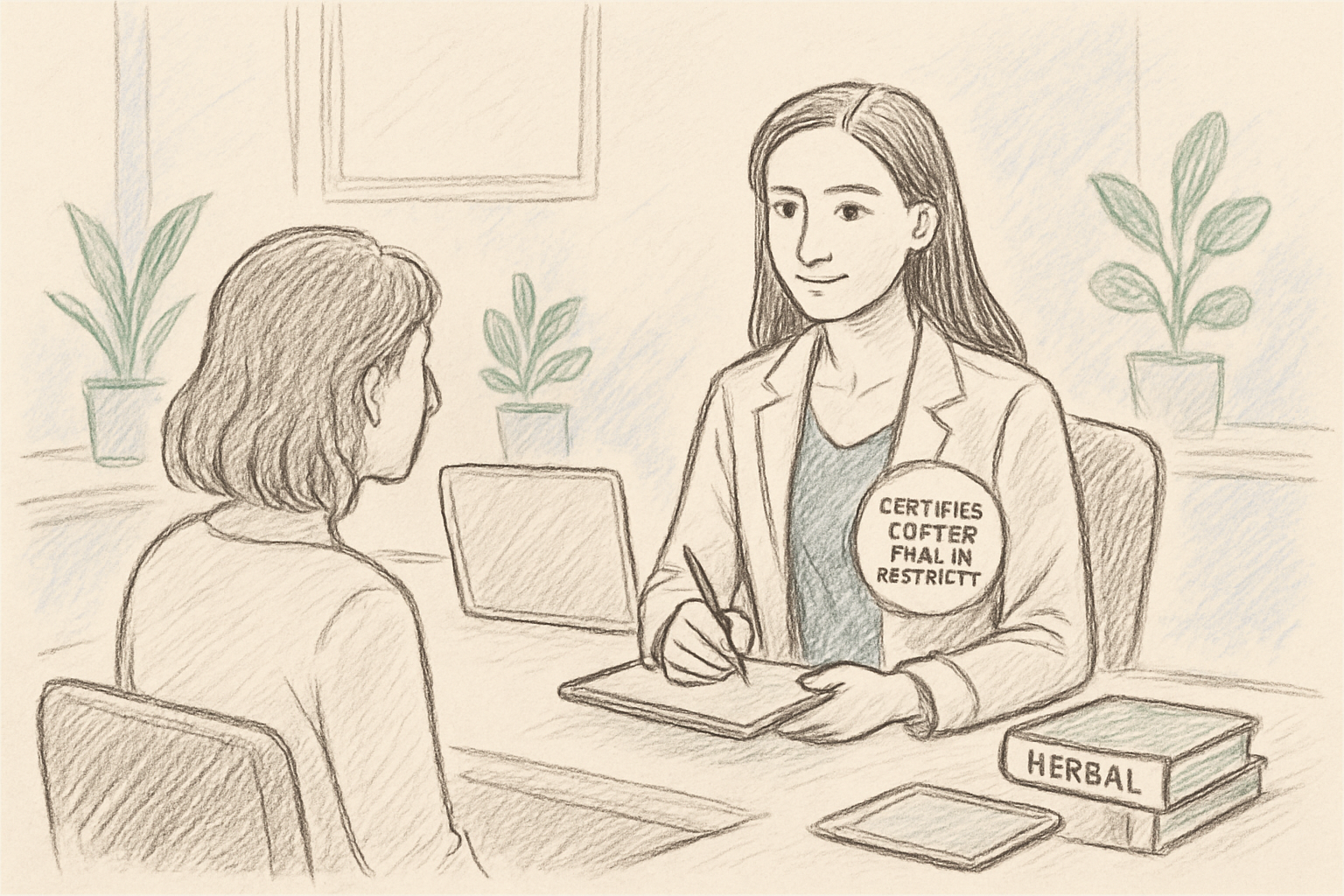
Building strong relationships is foundational for every certified holistic health practitioner. Active listening and empathy help clients feel heard, while motivational interviewing encourages participation in their own wellness journey.
Clear communication is vital. Practitioners must explain complex concepts in simple terms, set achievable goals, and ensure clients understand their personalized plans. For instance, using visual aids or analogies can bridge gaps in understanding.
Client satisfaction and retention often hinge on trust and rapport. According to recent reviews, practitioners who prioritize communication see higher retention rates and better outcomes. Effective communication transforms each client interaction into an opportunity for lasting impact.
Integrating Science and Traditional Wisdom
A certified holistic health practitioner excels by blending modern science with time-honored healing traditions. Evidence-based practice ensures recommendations are grounded in research, while traditional wisdom offers a broader perspective on well-being.
Staying current with scientific literature is essential. Practitioners must critically evaluate new modalities and adapt as research evolves. For example, integrating nutritional science with herbal remedies can maximize client benefit.
Adaptability is key. As the field grows, practitioners who harmonize scientific rigor with holistic insight remain trusted guides for clients seeking comprehensive care. This balance distinguishes true leaders in holistic health.
Digital Tools and Practice Management
In 2025, digital proficiency is a must-have for every certified holistic health practitioner. Telehealth platforms, health tracking apps, and electronic health records streamline care delivery and documentation.
Remote monitoring tools help practitioners track client progress and adjust plans in real-time. Practice management systems simplify scheduling, billing, and client communication, freeing up time for quality care.
Marketing and online presence are also critical. Many practitioners use websites, social media, and email campaigns to reach new audiences. Embracing digital tools not only improves efficiency but also expands your practice’s reach and impact.
Personal and Professional Development
Long-term success for a certified holistic health practitioner hinges on continuous personal and professional growth. Self-care and burnout prevention are essential in maintaining both well-being and high-quality client care.
Networking and peer support foster resilience and spark new ideas. Mentorship, such as the Practitioner Mentorship Opportunities available at leading holistic practices, can provide valuable guidance and accelerate career advancement.
Specialization and advanced training open new doors and increase job satisfaction. By investing in development, practitioners ensure their careers remain fulfilling, sustainable, and impactful for years to come.
Career Paths and Opportunities in 2025
The career landscape for a certified holistic health practitioner in 2025 is more dynamic and varied than ever. As demand rises, practitioners can choose from multiple rewarding paths, each with unique benefits and growth potential. Whether you aim to work independently, join integrative teams, or influence health on a broader scale, opportunities abound.
Private Practice and Clinical Roles
Many certified holistic health practitioners thrive in private practice, offering personalized consultations, wellness plans, and group programs. These roles provide autonomy and the ability to shape your own business model. Services often include nutrition planning, stress management, and holistic lifestyle coaching.
Starting a solo or group practice allows practitioners to tailor offerings to their specialties and client needs. According to the Integrative Health Practitioner Salary Guide 2025, income varies by location, experience, and specialization, with most practitioners earning competitive wages. Success stories highlight strong client relationships and high satisfaction rates, making private practice a popular path for those seeking independence.
Integrative Healthcare Teams
Joining integrative healthcare teams is another promising avenue for a certified holistic health practitioner. These roles involve collaboration with medical doctors, nutritionists, therapists, and other professionals in settings like clinics, hospitals, and wellness centers.
Team-based care often leads to more comprehensive support for clients, blending conventional and holistic strategies for optimal outcomes. Practitioners contribute expertise in modalities such as herbal medicine, mindfulness, and movement therapies. According to the Healthcare Occupations Outlook 2024-2034, employment in healthcare fields is projected to grow, reflecting the increasing need for integrative approaches. This path offers stability and the chance to impact patient care on a larger scale.
Community and Corporate Wellness
A certified holistic health practitioner can also play a key role in community and corporate wellness initiatives. Opportunities range from developing workplace wellness programs to leading public health workshops and educational seminars in schools.
Practitioners design group interventions that promote healthy lifestyles, stress reduction, and preventive care. The expanding corporate wellness market values professionals who can boost employee well-being and productivity. Group facilitation, program development, and health education are core responsibilities. Many practitioners find fulfillment in making a measurable difference in population health, while also enjoying a diverse work environment.
Digital Health, Telehealth, and Content Creation
The digital landscape has unlocked new possibilities for the certified holistic health practitioner. Telehealth services, online coaching, and digital wellness platforms enable practitioners to reach a wider audience.
Building an online presence through blogs, podcasts, YouTube channels, and social media is an effective way to share expertise and attract clients. Digital tools support remote consultations, allowing flexibility and scalability. Successful practitioners often combine virtual services with educational content, expanding their impact and revenue streams. This career path suits those who are tech-savvy and enjoy engaging with clients beyond traditional settings.
Education, Research, and Advocacy
For those passionate about shaping the future of holistic health, education, research, and advocacy offer meaningful career paths. Certified holistic health practitioners can teach at holistic health schools, develop curricula, or mentor emerging professionals.
Involvement in academic research helps advance the field and validate holistic modalities. Advocacy roles support the integration of holistic health into public policy and healthcare systems. Practitioners contribute to research studies, participate in professional associations, and help influence standards and regulations. This path is ideal for lifelong learners and leaders eager to leave a lasting legacy.
Challenges and How to Overcome Them
Every certified holistic health practitioner faces unique challenges on their professional journey. Understanding these obstacles—and having proven strategies to overcome them—is crucial for building a thriving, resilient practice in 2025.
Navigating Regulation and Professional Recognition
For the certified holistic health practitioner, regulation remains a complex landscape. State and national requirements vary, and licensure is not always straightforward. This can create uncertainty about scope of practice and recognition among peers.
To navigate these hurdles, stay informed about evolving laws and join professional associations. Regularly consult state boards and seek guidance from experienced mentors. Advocacy is also key—supporting organizations that push for clearer standards can elevate the profession.
According to Working in Wellness: Occupations with a Healthy Outlook, wellness careers continue to see robust growth, making professional recognition increasingly important for a certified holistic health practitioner’s long-term success.
Managing Client Expectations and Outcomes
A certified holistic health practitioner must balance hope with honesty. Clients may expect quick fixes, but holistic care is a process. Setting realistic goals and clearly communicating the journey ahead helps manage expectations.
Use intake forms and goal-setting sessions to align on outcomes. Track progress with regular check-ins and celebrate small wins. When skepticism arises, share real-world results and testimonials. For instance, Client Success Stories and Reviews offer concrete examples of positive outcomes from holistic approaches.
Transparency and education will foster trust, ensuring the certified holistic health practitioner-client relationship remains strong and effective.
Balancing Holistic and Conventional Medicine
Integrating holistic and conventional medicine can be challenging for any certified holistic health practitioner. Differences in philosophy, language, and treatment priorities may create barriers.
Focus on building referral networks with open-minded physicians and allied professionals. Participate in integrative case conferences and document outcomes collaboratively. Clearly define your role, respecting boundaries while advocating for whole-person care.
By fostering mutual respect and communication, a certified holistic health practitioner bridges the gap, leading to better patient experiences and more comprehensive care.
Staying Current with Research and Trends
The field of holistic health evolves rapidly. For a certified holistic health practitioner, staying abreast of new research, modalities, and technologies is non-negotiable.
Dedicate time each month to read journals, attend webinars, or join professional forums. Engage in continuing education and seek out conferences that blend science with holistic wisdom. Embrace digital tools for knowledge sharing and practice management.
By remaining curious and adaptable, a certified holistic health practitioner not only stays relevant but also leads innovation in the wellness field.
If you’re feeling inspired to take the next step toward a rewarding career in holistic health, there’s no better place to start than with a strong educational foundation. As we’ve explored, becoming a Certified Holistic Health Practitioner in 2025 means blending science with spirit, hands-on skills with digital tools, and a genuine desire to help others reclaim their well-being. If you’re ready to begin your journey—or just want to deepen your understanding—I invite you to check out our Intro to Holistic Medicine I course. It’s a practical, accessible way to start building your future in integrative care.